
Spring Mindfulness: Using Nature Intentionally

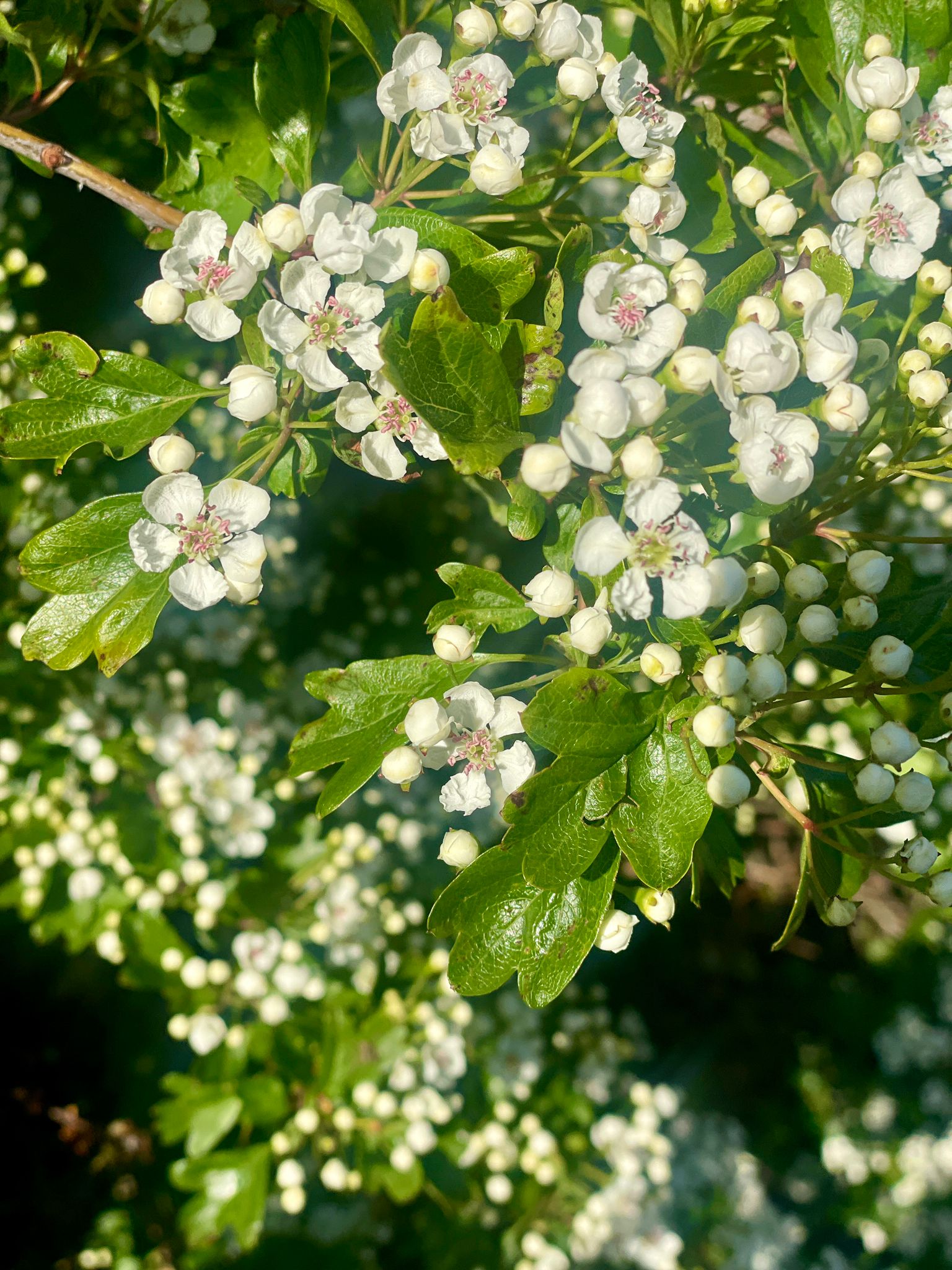
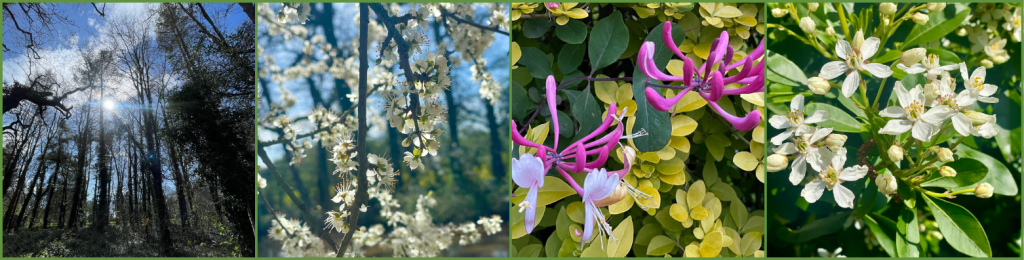
Spring is almost over already, with only one month left until we officially enter Summer. But after a little mindfulness walk and catching some photos of the beautiful Spring flowers, I thought I’d share some tips to make the most of the remainder of this season and mindful walks.
Mindful walking is a wonderful way to support both mental wellbeing and emotional balance.
It can really help you fully notice what’s happening around you, taking you out of your mind and bringing you back to the present moment, whether it’s listening to the birds in the trees, feeling the warmth of the sun, or anything else in your environment.
While also calming any mental distractions and easing stress.
“IN EVERY WALK WITH NATURE, ONE RECEIVES FAR MORE THAN HE SEEKS”
– John Muir
Using Spring Walks to Support Mindfulness & Wellbeing
Spring naturally encourages people to get outside more; it’s most definitely “leaving the house season” if you will. Incorporating mindfulness into those walks can (really) make a difference not only to your day but also to your mental state.
Mindful walks are an especially great way to reduce stress and improve focus, and one way to really make the most of it is to use the five senses to reground.
1. How Mindful Walking Can Help
The physical rhythm of walking itself can be amazing to calm the mind. Focus on your footsteps, breathing, posture and your body movements.
Bringing your attention to these can help you slow down, rather than rushing through walks as a distraction.
If you notice you’re speeding through, take a moment to slow yourself. It’s a great way to practice applying this to your daily life and sports performance, too – keeping your nervous system calm, and pace steady.
2. Using Sound to Stay Present
One thing I love to do is tune in to birdsong and other sounds around me, like the wind in the trees and the rustling leaves under my feet.
Paying attention to sound helps to pull attention away from anxious thoughts or a busy mind.
Active listening really does encourage presence and promote calmness, and studies also suggest that the sounds of nature are often linked to relaxation and stress reduction. There is a brilliant one you can read on Science Direct by the Dept. of Forest Science, Kongju National University, Yesan, South Korea, Effects of nature sounds on the attention and physiological and psychological relaxation –you can read it just here.
Connecting With Your Environment
Spring brings wonderful seasonal changes, and noticing them can really make a difference.
Taking a moment to notice the flowers blooming (cherry blossoms as an honourable mention, buds appearing, and the effects of longer daylight can increase gratitude and appreciation of your surroundings.
Observing colours, textures, movement, and light can help you mentally reset and offer a small reminder of the beauty of the earth and nature.
How Smell Can Support Mindfulness
Scent can instantly anchor you to the present moment, and this time of year has many. From flowers to fresh rain, damp soil, and cut grass, fresh air (and early BBQers) – all of the feel-good smells of new beginnings, as we leave the darker nights behind us until next time.
Smells can influence both mood and emotional state, reducing stress and promoting relaxation. Scientific data on why this is limited, but PubMed published an article in October with a study by Taufer, F., Pálsdóttir, A.M., & Hedblom, M., titled “Psychological and physiological responses to smells from nature – potential health benefits for urban dwellers.” npj Urban Sustain5, 80 (2025), which you can read here.
Using Touch to Feel More Grounded
When we’re stuck in our minds, we can often disconnect from our bodies, and touch is a great way to bring ourselves back.
Noticing the temperature of the air and the warmth of the sun on your skin, how it feels. Any breeze, the textures of clothes and the ground beneath your feet.
Physical sensations can be incredibly grounding during stress or anxiety by helping you reconnect not just with your body but with the present moment.
The 5 Senses, Mindfulness and Mental Health
The 5 senses are used in a common Cognitive Behavioural Therapy (CBT) grounding technique. It’s called the 5-4-3-2-1 technique.
It’s especially helpful when anxiety is high, during anxious attacks, overwhelming situations or the rumination cycle. The method is to look for:
- 5 things you can see
- 4 things you can feel
- 3 things you can hear
- 2 things you can smell
- 1 thing you can taste
While deep breathing and naming each sight, sound, smell, taste and touch out loud.
Pairing this with nature gives you an extra layer of support for emotional regulation, mental health, and even your daily life, work, and sports performance.
In Summary
I really encourage you to make the most of the final throes of Spring. If you’re able to get into nature for even just a 30-minute walk during times of stress, it can make a difference.
Mindful walks don’t have to be limited to Spring either; you can practice this throughout the year, incorporating it into your daily routine, recovery, or self-care.
It’s the perfect chance to appreciate all the seasonal moments before they pass while taking care of yourself.
If you’d like to learn more about movement and its connection to mental health and performance, I’ve written an article on the topic you can read right here.
