

3 Tips to Help You Manage Self-Doubt in Professional Sport
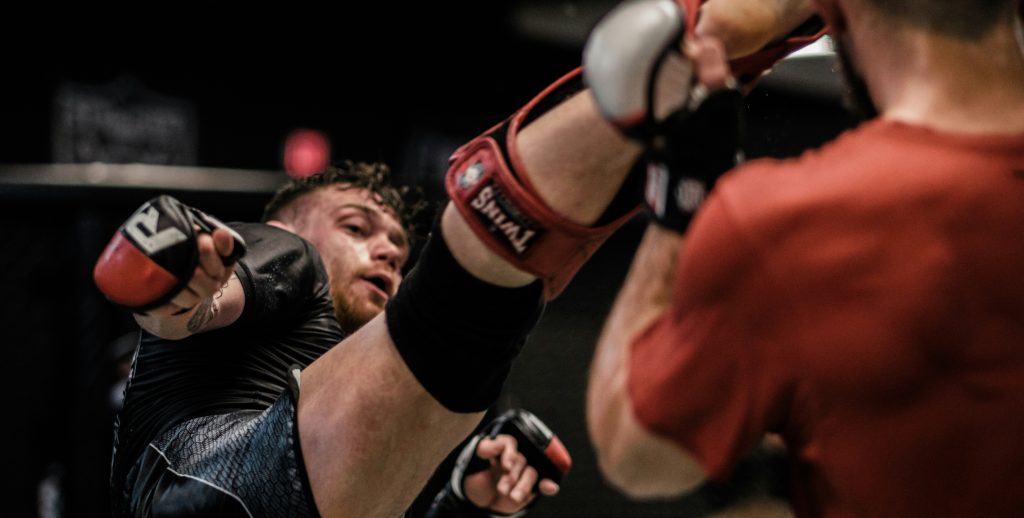
Self-doubt is something almost every professional athlete experiences at some stage in their career, even the most seasoned. It can affect their confidence, motivation, performance and eventually, their enjoyment of the sport.
For some athletes, it may be linked to pressure to perform or fear of failure, while for others, it can build gradually over time through comparison, criticism, setbacks, or perfectionism.
But the reasons behind it are not always the same.
It is important to note that overcoming self-doubt doesn’t mean you never have to feel unsure of yourself again; it’s normal and natural for self-doubt to show up from time to time.
So the goal isn’t to eliminate it completely; that will only add fuel to the fire, but it means learning how to manage it effectively so the impact on you and your sport is minimal.
A lot of self-doubt we experience as adults can also be connected to earlier life experiences and the beliefs we develop growing up, but that is so intricate that it deserves a whole blog of its own, so for now, we’ll focus on the present and how to manage self-doubt in the present.
“I’ve missed more than 9000 shots in my career. I’ve lost almost 300 games. 26 times I’ve been trusted to take the game winning shot and missed. I’ve failed over and over and over again in my life. And that is why I succeed.”
– Michael Jordan
First, we need to understand how it shows up in sports
Self-doubt, especially in sport, doesn’t always show up as the obvious nervousness. It can appear through:
- Frustration
- Irritability
- Loss of confidence
- Being overly critical towards yourself
Over time, these patterns can begin to eat away at your self-worth, ultimately impacting not only how you show up in sport and your relationship with it, but also in everyday life, too and affect your overall mental wellbeing and sense of self.
There is a great study from the National Library of Medicine, 2024, around this called “Explore athletes’ sports attitude and its influence on mental health”. If you’d like to read it, you can find it just here.
I’ve noticed through my work that these feelings tend to become far more noticeable:
- Before competitions and important performances
- After mistakes, setbacks like injuries, or losses
- Returning to sport after some time away for any reason
In some cases, it can lead to athletes second-guessing their decisions, preventing them from taking risks, and eventually causing them to lose enjoyment in their sport altogether. That’s why recognising these patterns is the first step towards managing them more effectively and will allow you to thrive in your sport and life.
Here are 3 ways you can manage your self-doubt over time
1. Challenge Negative Self-Talk
A saying you’re probably familiar with is, “we are our own harshest critic”, and that’s where we need to challenge negative self-talk. Negative thoughts can affect both confidence and focus, so it’s important to recognise when they arise and learn to reframe them rather than believe them.
Another way to manage negative self-talk is to speak to yourself with the same encouragement and understanding you would offer a teammate. Over time, this can help build healthier thought patterns and reduce the impact of self-doubt.
2. Focus on progress instead of perfection
Perfectionism is a big one, and something many of us experience in both everyday life and sport. The problem with perfectionism is that it increases pressure, which can add to self-doubt. Sport naturally involves mistakes and setbacks; they are part of how we learn and develop.
Rather than chasing an impossible standard, focus on effort and consistency in both training and performance. Turn your attention to growth rather than flawless results, and when setbacks happen, ask yourself what you can learn from them and how you can improve next time.
3. Use preparation to build your confidence
Confidence grows through preparation and routine. Make sure you are developing your skills and addressing areas for improvement by applying what you learned from previous performances. Recovery, sleep, and nutrition all contribute to mental preparation as much as physical preparation.
A routine can also help before a performance. This could include visualisation, breathing techniques, affirmations, or goal setting as mindset tools (just don’t make perfection the goal). Every part of preparation can help reduce anxiety and allow you to feel more in control.
These are just the first steps to help you manage self-doubt in the moment
Remember that self-doubt is a normal part of sport, and learning to manage it is important for both performance and mental wellbeing. Confidence is built over time, and throughout those moments, nothing is more important than being patient with yourself.
Rome wasn’t built in a day, and neither are skills or mindset. There are always new ways to grow and develop, which is why learning to manage self-doubt can play such an important role in both your performance and personal growth.
This blog is only the starting point. If you’d like to work more directly with me to overcome barriers such as self-doubt in sport and explore the underlying mindset behind them, feel free to get in touch to discuss how I can support you.


